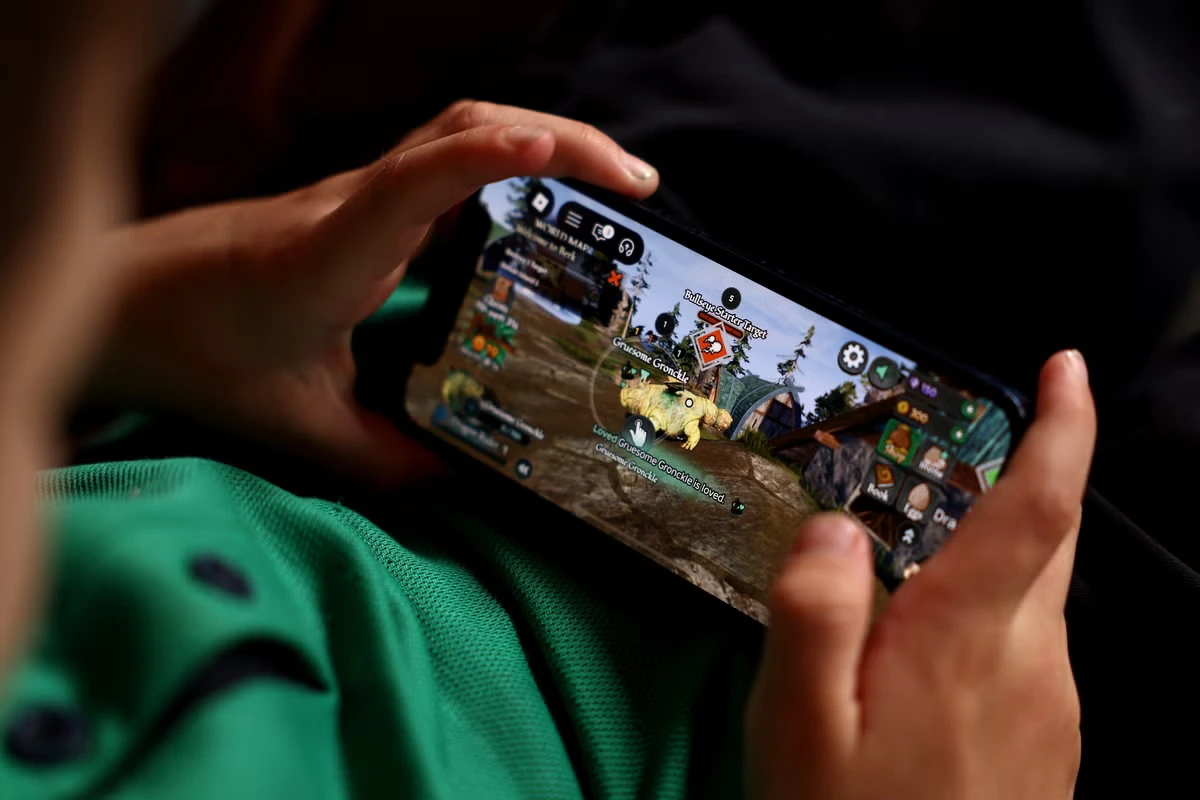
The government’s latest consultation on regulating social media for under-16s is ending. Restrictions for children (usually taken to mean under the age of 16) will replace the current age limit of 13, and are intended to be a far stronger safeguard. Platforms affected include Facebook, Instagram, Roblox, Snapchat, TikTok, X and YouTube. There is almost a consensus that something must be done – but less agreement on what that should be.
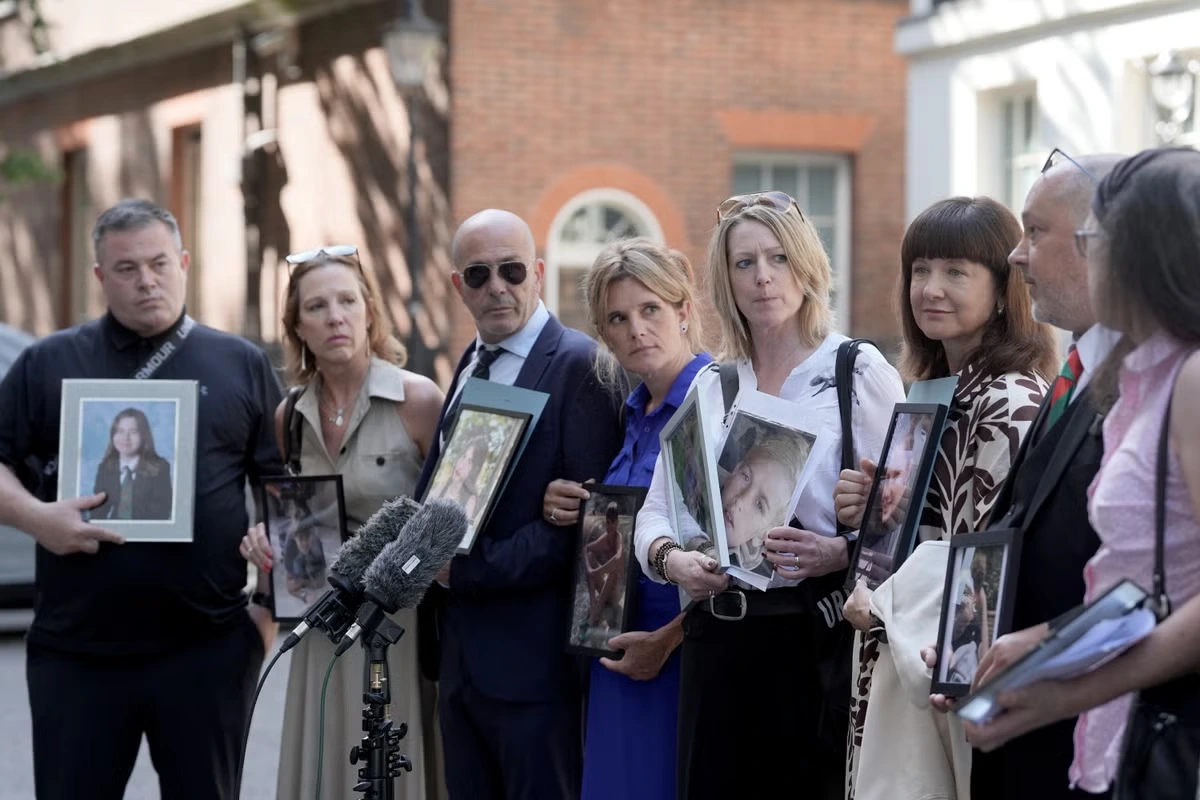
Bereaved parents of children whose deaths were linked to social media were told during a Downing Street meeting on Tuesday that measures should be announced in a matter of “weeks, not months”.
There are conflicting interests: parents and schools would like clear, enforceable safeguards, while tech giants want to build their audiences and make money. With the growth and proliferation of social media platforms has come an increase in bullying, the viewing of vile sexual, sadistic and other material, sexual abuse and grooming by adults, encouragement to suicide and self-harm, and, latterly, malign use of artificial intelligence. This is in addition to addiction that can disrupt education, social development and sleep. Children have suffered mental illness or even taken their own lives as a result.
The first moves towards an online safety act were mooted in the 2019 Conservative manifesto that promised to “legislate to make the UK the safest place in the world to be online – protecting children from online abuse and harms, protecting the most vulnerable from accessing harmful content”. The Online Safety Act was eventually passed in 2023 but many of its provisions were delayed until last year; new technology and the evolution of these platforms have rendered it obsolete, hence the need for new rules as provided for in the Children's Wellbeing and Schools Act 2026 that became law on 29 April. But which specific measures will be implemented has still to be decided.
Options include: limits on the amount of screen time over a period or limits on times of day; a ban on ways to receive unsolicited contact from a stranger; a ban on any live chats, calls or video calls; a ban any geographical location information; compulsory preserving of messages for investigation; tighter content rules, such as on nudity.
That’s less clear than it looks. Keir Starmer promised action “very, very soon” – but that was some months ago. One of the ministers involved, Liz Kendall, is more cautious; by the end of the year she says. Pressure from bereaved families and the other groups on both sides is intense, but that only seems to have induced paralysis in successive governments.
What we know is that, as a result of some smart parliamentary manoeuvring by the Conservatives, the government must issue a statement by 9 July setting out what progress has been made towards making the first regulations and a timeline for implementing those regulations. These must be in place by April 2027.
Predictably inconclusive in the six months it has been in force.
Very nearly. Wes Streeting, for example, has become a fierce advocate, and likens the problem to teenage smoking. Kemi Badenoch is especially outspoken and impatient: “Children’s brains are still developing. Their impulse control, emotional regulation and ability to assess risk are not the same as an adult’s. That is why we have age limits on alcohol, a legal age of consent and safeguarding requirements in schools. To most people this is common sense. And yet, in one crucial area, we have decided to suspend that logic entirely.”
Lib Dems, Greens and Scottish and Welsh nationalists share this outlook, but Nigel Farage is sceptical as an instinctive libertarian. He told the Clacton and Frinton Gazette in February that a social media ban for youngsters is not the way to go.
They will try, just like smoking behind the bike sheds, but there will be some compliance and some harm reduction if the rules work.
Rather quietly, there will be an effective ban on smartphones in state-funded schools in England from 29 June, such that: “All schools should be mobile phone-free environments by default; anything other than this should be by exception only.” In Scotland, Wales and Northern Ireland such matters are still up to school heads.
As for banning children’s smartphones completely, we’d need a police state.