A new package of UK sanctions aiming to shut off funding to Russia’s war effort will target crypto networks.
They target cryptocurrency exchanges and the so-called “A7 network”, which the Foreign Office said was being used by Russia to evade existing restrictions and channel funds to fuel its war against Ukraine.
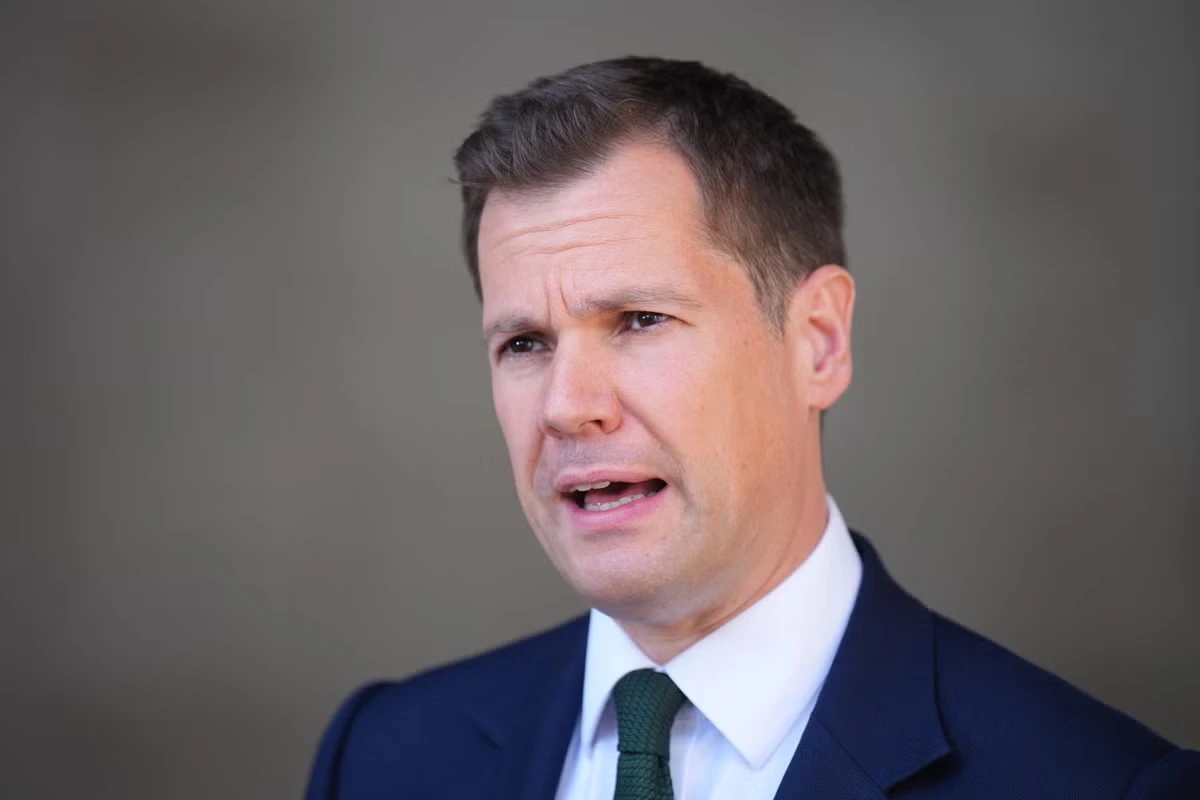
Foreign Secretary Yvette Cooper said the UK would continue to work with allies to expose, disrupt and dismantle such networks and said there would be no “safe havens” for those enabling Russia’s aggression.
She said: “If the Kremlin thinks it can evade our sanctions by hiding behind crypto networks and shadow financial systems, it is gravely mistaken.
“The UK is adapting and strengthening our approach to target the evolving tactics Russia is using to evade restrictions.
“We are going after the infrastructure that underpins its war economy at the same time as Ukraine is increasing the pressure on Russia on the battlefield.
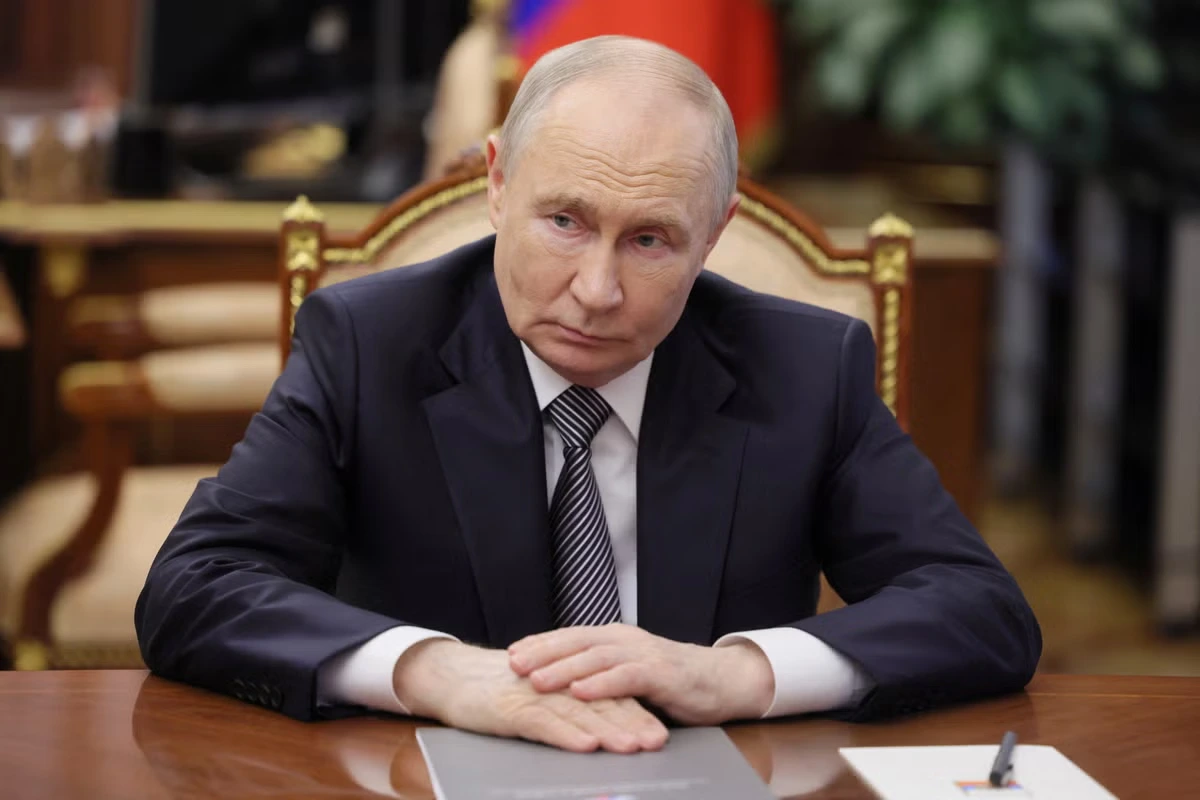
“We are tracking down and shutting off the financial lifelines that sustain Putin’s war machine.”
The department said the “A7” gang was using a Kyrgyz bank suspected of facilitating payments for the network, alongside a major global cryptocurrency exchange that which officials suspect has channelled over 1.5 billion dollars (around £1.1 billion) back into the Kremlin’s hands.
A package of 18 designations would come into effect immediately, the Foreign Office said.
It comes after a new package of sanctions last week prompted criticism for including trade licences that allowed the import of jet fuel and diesel refined from Russian crude in third countries amid surging costs as a result of the Middle East conflict.
Ministers have denied that the carve-out represented a watering down of sanctions aimed at hurting Moscow’s economy.
Sir Keir Starmer insisted last week that they went “well beyond” existing measures, but that two “short-term licences” had been issued to “phase in” the new sanctions.