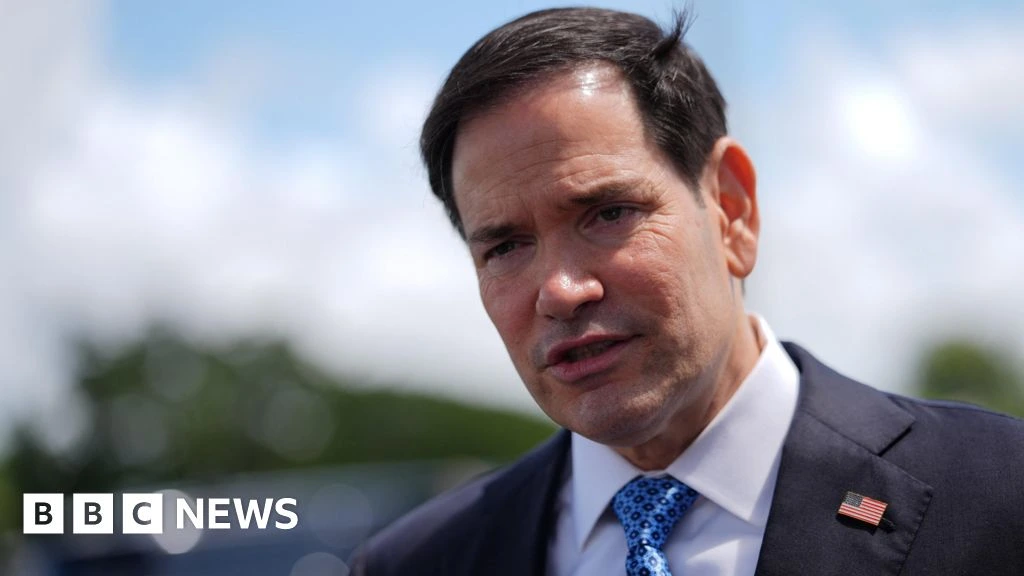
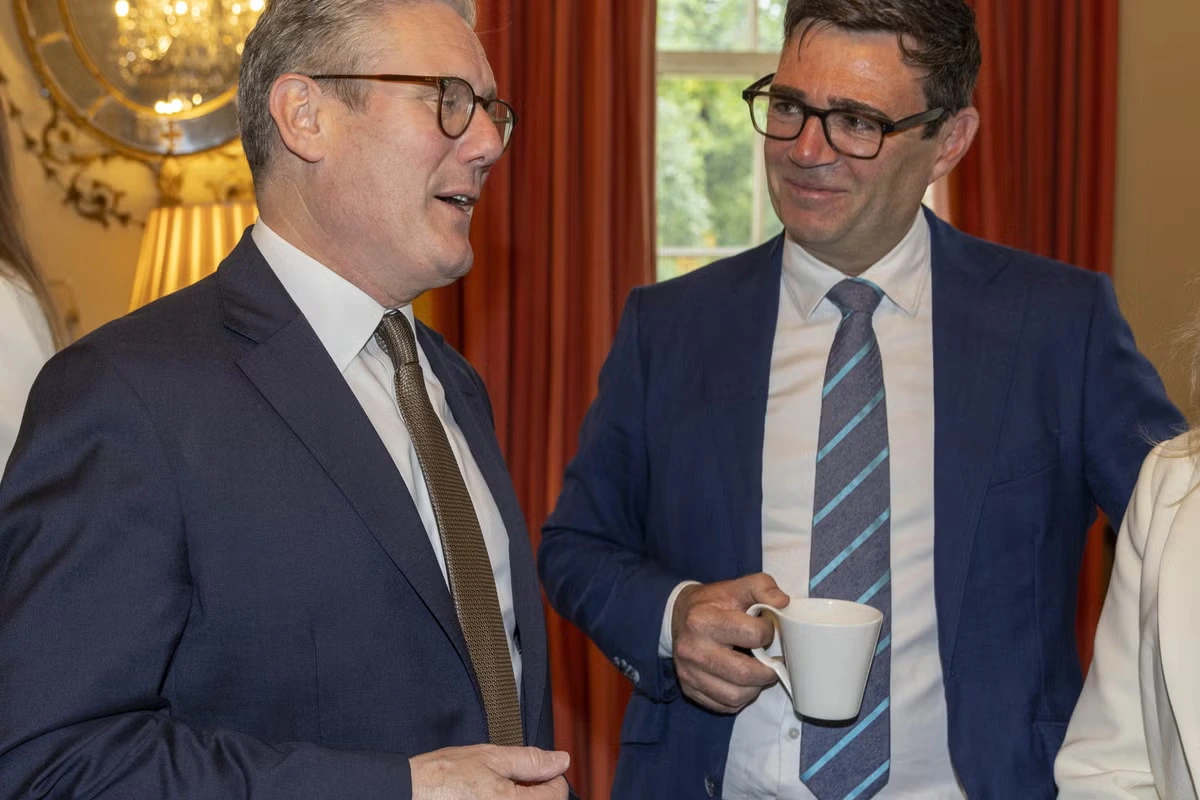
Wes Streeting had to go for it. He had told the prime minister on Tuesday that he had lost confidence in him, and his people told journalists yesterday that the health secretary would resign today.
He didn’t bottle it. But now he will have to follow through.
Streeting’s letter of resignation was harsh about the prime minister’s failings. The paragraph intended to be quoted in the history books read: “Where we need vision, we have a vacuum. Where we need direction, we have drift.”
What was unexpected, though, was that he held back from launching an immediate leadership challenge, and appeared to call in his resignation letter for a longer timetable that would allow Andy Burnham to be a candidate.
This may seem perverse, given that Burnham is the darling of the Labour members who will decide the leadership contest, whenever it does get under way. But the Survation poll for Labour List, carried out yesterday and today, underscored just how much ground Streeting has to make up against his rivals.
Up against Burnham, Streeting would lose by 80 per cent to 20 per cent, excluding don’t-knows. Even if there were an immediate contest and Streeting had to go up against Angela Rayner or Ed Miliband, he would lose by about 65 per cent to 35 per cent.
These are not great numbers for the start of a leadership campaign, so Streeting needs time to make his case and he needs to avoid making mistakes. He has avoided one mistake by not being a bottler, and now he has avoided another by not looking as if he is trying to stitch up the contest to exclude his most popular rival.
But he is going to have to make the positive case for a Streeting premiership, which his resignation letter barely started to do. “There are big challenges that require bold vision and bigger solutions than we are offering,” he said, but he didn’t say what they were.
He needs to persuade party members that he is their best hope of preventing Nigel Farage becoming prime minister. Their hearts may yearn for the soft-left utopianism of Burnham, Rayner and Miliband, but their heads ought to know that elections are won from the centre.
Thus Streeting’s letter starts its analysis of Labour’s drubbing in the local elections by warning of the “dangerous English nationalism” represented by Reform. He doesn’t mention the Greens, despite the comforting belief among many Labour activists that the party should turn to the left because it is losing more votes to the Greens than to Reform.
He has to persuade the party that this would be the wrong response. A lurch towards higher public spending and defying the markets by borrowing more wouldn’t win back voters from Zack Polanski, and it would drive more voters away, to Reform and the Conservatives.
Streeting has the communication skills that his rivals lack, and he has the right instincts to chime with the wider electorate. He has a backstory of growing up in poverty that is not as dramatic as Rayner’s, but which inspires a similar personal embodiment of social mobility.
He has to persuade his party, just as Tony Blair did, that they may not agree with him on everything, but that his heart lies in social justice, and that he is the party’s best hope not just of winning but of surviving. That is a task that will take several weeks – not least to expose the flaws in his rivals.
The first of those is Keir Starmer. I don’t believe he will be a candidate once a leadership election is triggered, because – as Streeting said in his letter – “it is now clear that you will not lead the Labour Party into the next general election”.
Then, Burnham needs to be exposed to scrutiny – for what he stands for, as opposed to the processology of how he will stand. Rayner’s policy platform is also likely to be found wanting, as is her record of not building houses when she was a minister.
As for Ed Miliband, party members know that they cannot impose someone who was rejected by the voters in 2015 as prime minister without a general election.
Streeting’s hope must be that, after a long campaign, he will be the last one standing.