The Labour Party is in crisis. Even though we won a large landslide just over two years ago, the country feels hopeless; we are deeply unpopular, there is a visceral hatred for the leadership, and every time we have any contact with the ballot box, it seems that things can only get worse.
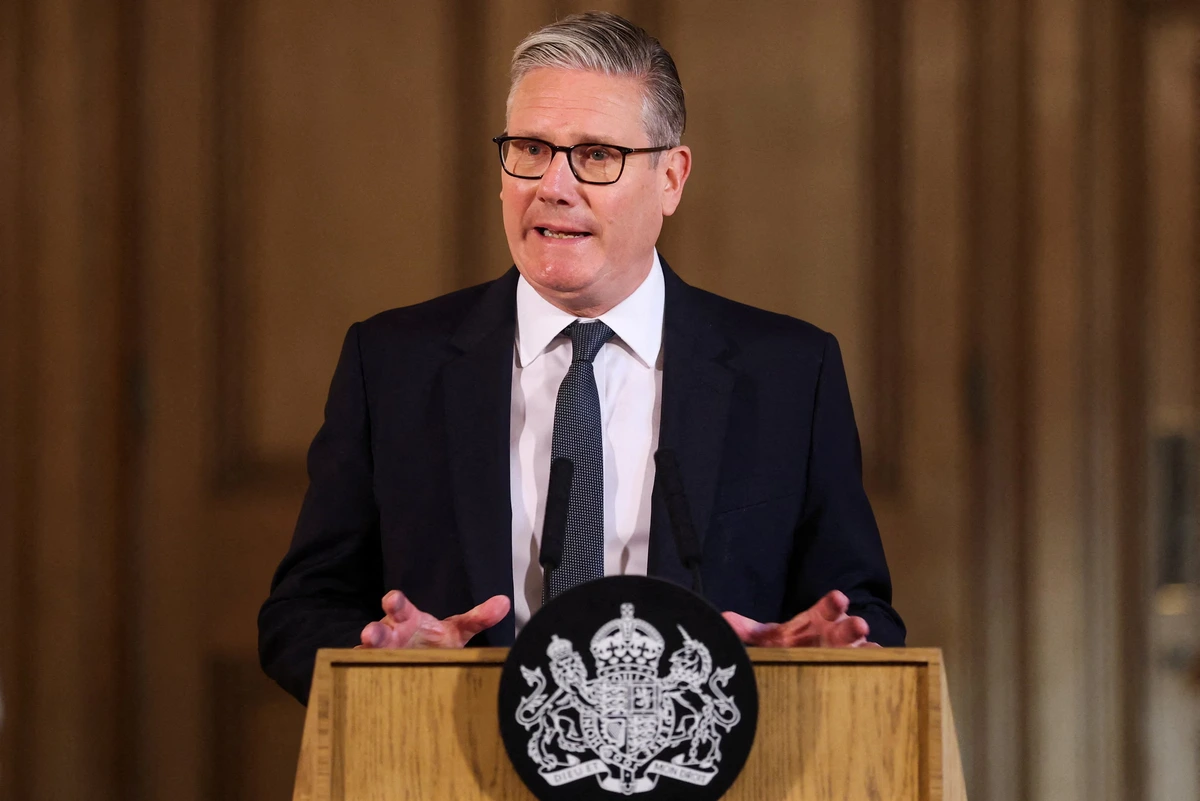
It certainly felt that way watching the prime minister make what was billed as the “speech of his career.” It pains me to say it, but, sadly, our prime minister (who is not blessed with the gift of the gab) did not meet the moment.
What should have been an electrifying, counter-intuitive, raw, radical speech, bristling with self-awareness, bravery and profound honesty, ended up sounding like a year-three, rather predictable conference speech with reheated policies, familiar platitudes and no real story other than personal survival.
This was not a speech to the country. It wasn’t even a speech to the party. It was a speech to the Parliamentary Labour Party and it said: “I’m not going anywhere.”
And yet, more and more MPs are coming out and calling for Starmer to go; and not the usual suspects either. There are loyalists like Chris Curtis and Josh Simons, who wrote a very compelling piece at the weekend criticising what he labelled “incremental change”. The fact that the prime minister used those exact words shows he had read and digested those thoughts.
As one backbencher told me: “It’s all such a sh**show. We know we’re going to lose and we don’t know what to do… we don’t do this kind of thing… we don’t know how… we’re not the Tories…”
It’s not in the DNA of the Labour Party to commit regicide – just look at the many cack-handed attempts to get rid of Gordon Brown (who is, ironically, Starmer’s choice to shore up his wounded leadership). Maybe one of the reasons we are so bad at winning power is that we are so good at clinging to leaders who we know are destined to lose.
And yet, Starmer started his political life as a winner. He swept into Westminster from the law, won the leadership and cleaned up the party. After Hartlepool, he defied the odds to win that thumping landslide, making him only the fourth Labour leader to achieve a working majority. That was a huge historic achievement which very few thought was possible. He and Victoria looked the part. It was all so picture-perfect outside the steps of No 10. Until it wasn’t.
A colleague who has supported Starmer messaged me: “The irony is that he saved the party so much quicker than anyone would have anticipated, but he is now throwing away a Labour government quicker than anyone could have imagined.”
I won’t rehearse all the reasons why things have gone so wrong, although the winter fuel allowance and Peter Mandelson are right up there. One of the things which made Starmer so appealing back in the day was the fact that he was clear that it was country before party. We are now looking at a very real prospect of a Nigel Farage-led government. If we are, in Starmer’s own words, facing very dark times, does the party just carry on with the status quo because we prize loyalty above all else?
If we’re being honest, blind loyalty masks some laziness when it comes to critical thinking about vision, big ideas and the solutions to the enormous problems the country faces. To get to that point, you need a culture of healthy, robust debate, which certainly hasn’t been allowed to flourish of late. Many feel the very controlling central machine has stifled proper discussion, especially on anything economic. Debate does not mean disloyalty. A healthy, confident party should be fizzing with political thinking, bold ideas and robust deliberation, not clinging to “the line” at all costs, including individual dignity.
On the bigger question of the future of the PM, it’s not true to say that changing a leader is always a disaster. The SNP changed theirs twice and just won a fifth term. Mark Carney replaced a desperately unpopular Justin Trudeau as leader of the Liberal Party of Canada and now leads with a majority in Canada. Boris Johnson won a landslide after taking over from Theresa May, although he managed to spaff it up the wall pretty quickly.
Yes, it’s not as simple as just changing the face of the party. You also need a policy prospectus and a plan; a gifted communicator who can navigate a rapacious social and mainstream populist-driven media landscape and offer some hope. It’s about having a vision which chimes with the public and is not fiscally bonkers; it’s about having someone who can lead a coherent and functional Downing Street.
I’m not sure any of the potential candidates have that right now. Although we haven’t been able to hear anyone set out their stall for obvious reasons. Changing a leader – especially in the Labour Party – is not easy and comes with great peril. But there is a great cost to not doing anything and carrying on with business as usual because no one wants to rock the boat, or no one has the guts.
And if you need any further proof of that, just speak to any Democrat right now.